
AI image Style
Photorealistic
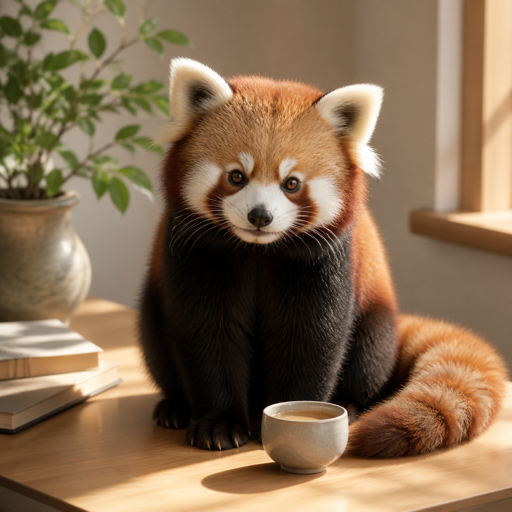
Camera-like light, natural texture, and believable depth make imagined subjects feel photographed. Choose this direction when materials and surroundings should look familiar rather than drawn or sculpted.
Opens with Photorealistic selected. Add your idea or source image after entering.
Compare another lookMatch the look to the task
Where Photorealistic
can help.
- Product concepts where glass, fabric, stone, or metal should feel tangible.
- Portraits and editorial scenes where natural light and skin texture matter.
- Interiors and imagined places you want to explore as a photograph.
When another look may fit better
- A fictional product can look convincing without matching the dimensions, label, or finish of a real item. Use a source image when the existing product matters.
- Faces, hands, lettering, and reflections need review. Choose illustration when expressive simplification matters more than photographic accuracy.
See the direction
in different images.
A subject and a few useful details give the Style something to work with. Look at the material, shape, or light in each example, then decide what your own image needs.
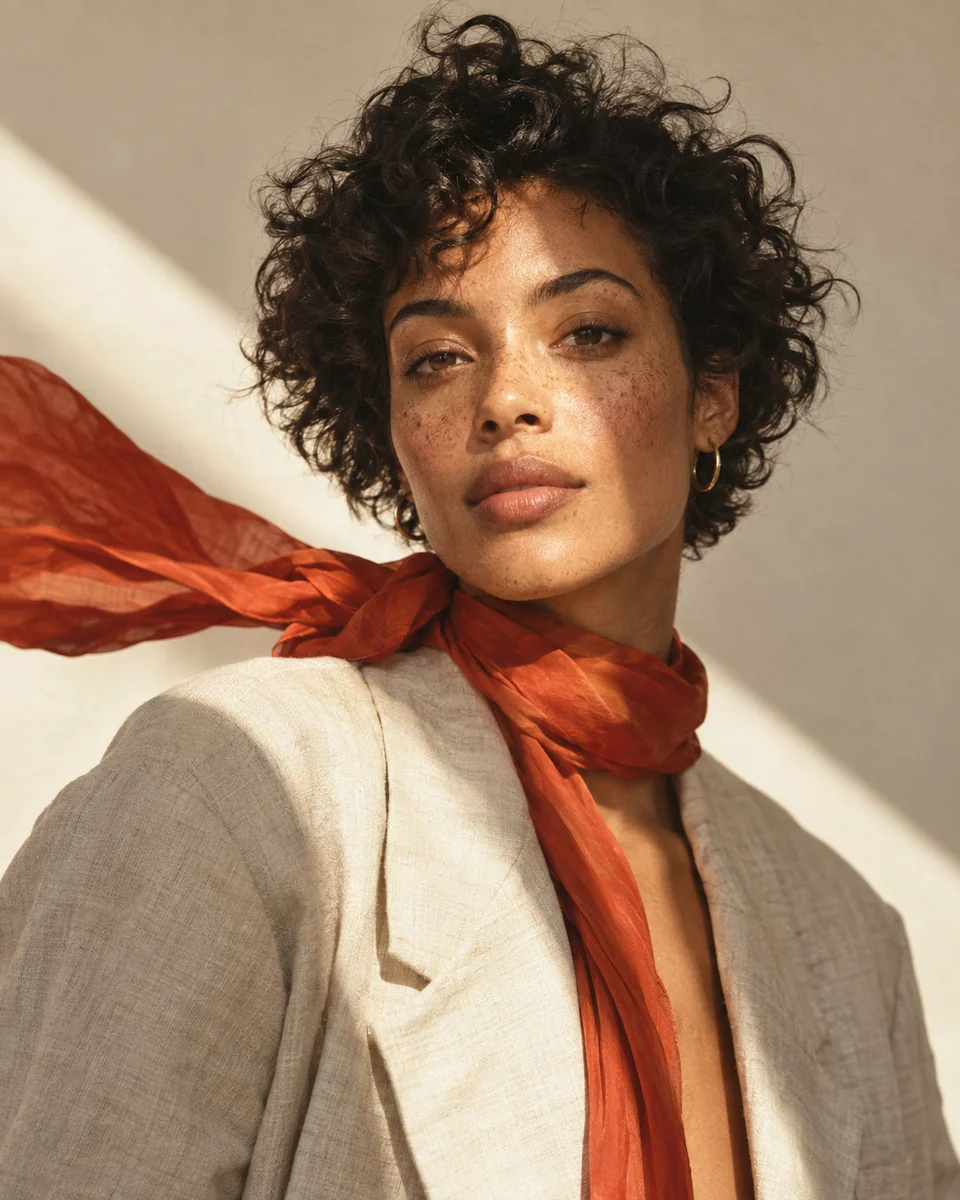
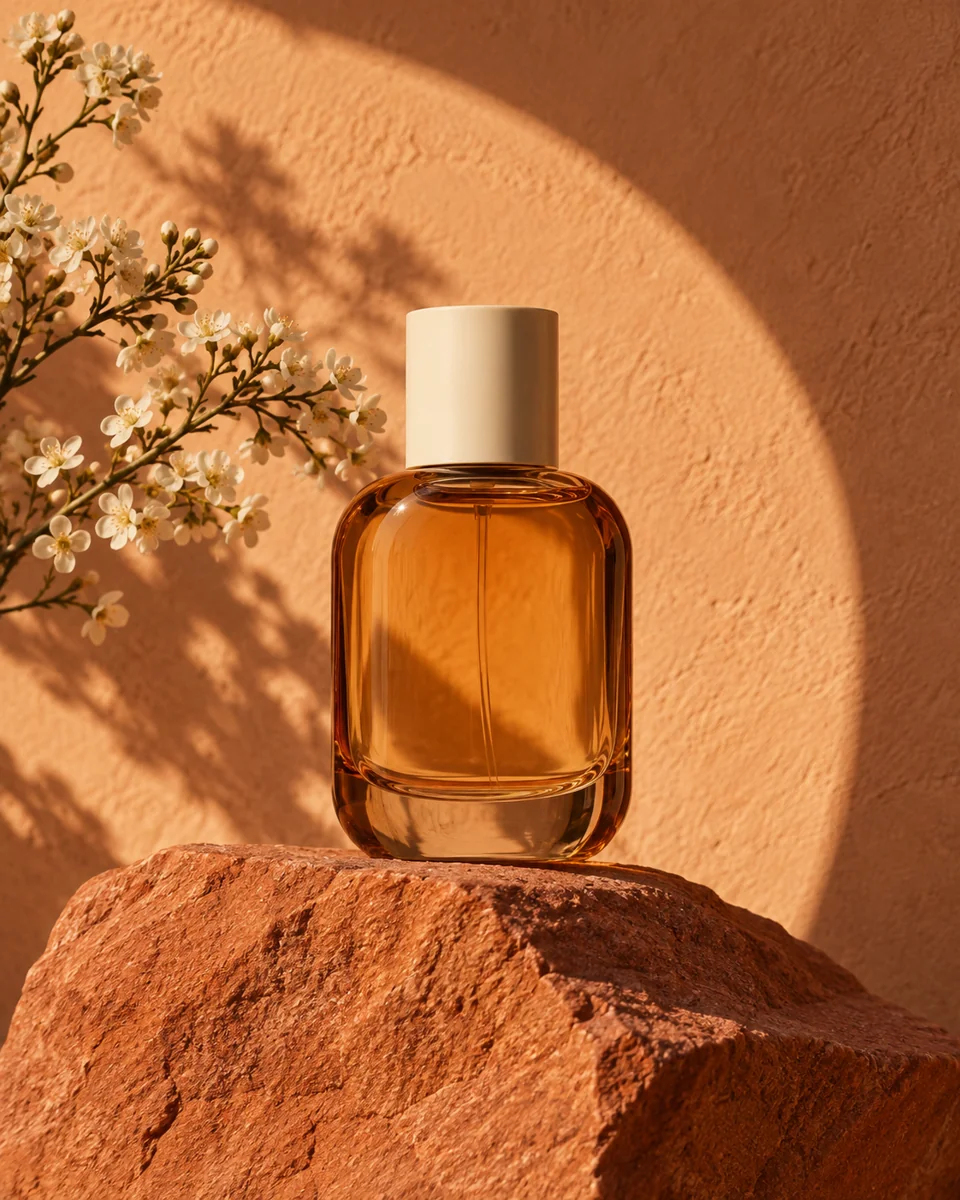

AI-generated examples of this visual direction. Your subject and prompt will also affect the result.
Your idea still matters
What to describe
with Photorealistic.
A Style guides the treatment of the image. Your prompt supplies the subject, setting, action, and the details that make it yours. Start with a sentence you can picture, then add what matters.
“A red panda botanist carrying a terracotta pot through a greenhouse, morning light.”
The character, prop, place, and light come from the prompt. Photorealistic gives those things a visual direction.
Name the subject, its setting, and what it is doing. A realistic treatment does not decide the scene for you.
Describe the material and light: an amber bottle on stone in afternoon sun gives more direction than a product on a table.
Say where the viewer stands and what belongs in the frame. Eye-level, a close detail, and a wide room lead to different pictures.
Compare visual treatments
Which look supports
your idea?
Photorealistic This page
Natural surface detail. Light and depth that feel photographic.
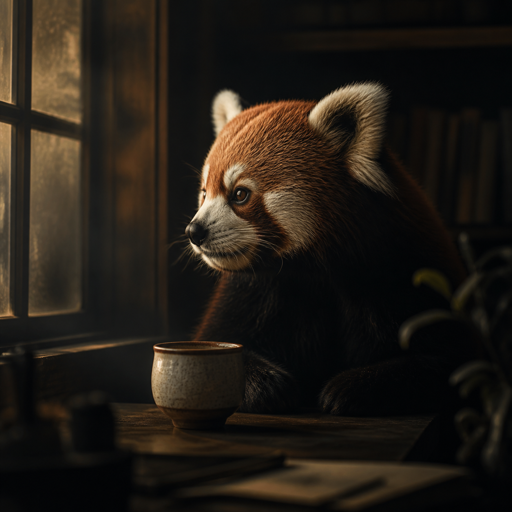
Cinematic
Light that leads the eye. Atmosphere and film-like framing.
Explore CinematicThese red panda examples share a subject, but pose, composition, and light also differ. Use them to compare visual direction, rather than as a controlled test of Style settings.
How do you want
to begin?
You can make a new image from an idea, or take an existing image in another direction. The first result is a starting point you can keep exploring.
Signed-in results are saved as Creations you can reopen and continue. Guest work stays in this browser. Keep a useful result, try a variation or another transformation, and download when you are ready to use it.
Prefer to describe your own look? Create without a Style →