
AI image Style
Illustration
Expressive shapes, drawn texture, and deliberate color turn a subject into a visual story. Choose it when an image should explain, suggest, or show personality without needing to look like a photograph.
Opens with Illustration selected. Add your idea or source image after entering.
Compare another lookMatch the look to the task
Where Illustration
can help.
- Story characters with a readable pose, expression, and personality.
- Editorial art and explainers that need a clear visual idea.
- Poster and cover artwork that will sit alongside lettering added later.
When another look may fit better
- Precise lettering, repeated patterns, and diagrams can lose consistency. Add final typography and layout separately.
- A drawn face or object may be simplified. Choose Photorealistic when exact-looking materials and proportions matter more than expression.
See the direction
in different images.
A subject and a few useful details give the Style something to work with. Look at the material, shape, or light in each example, then decide what your own image needs.
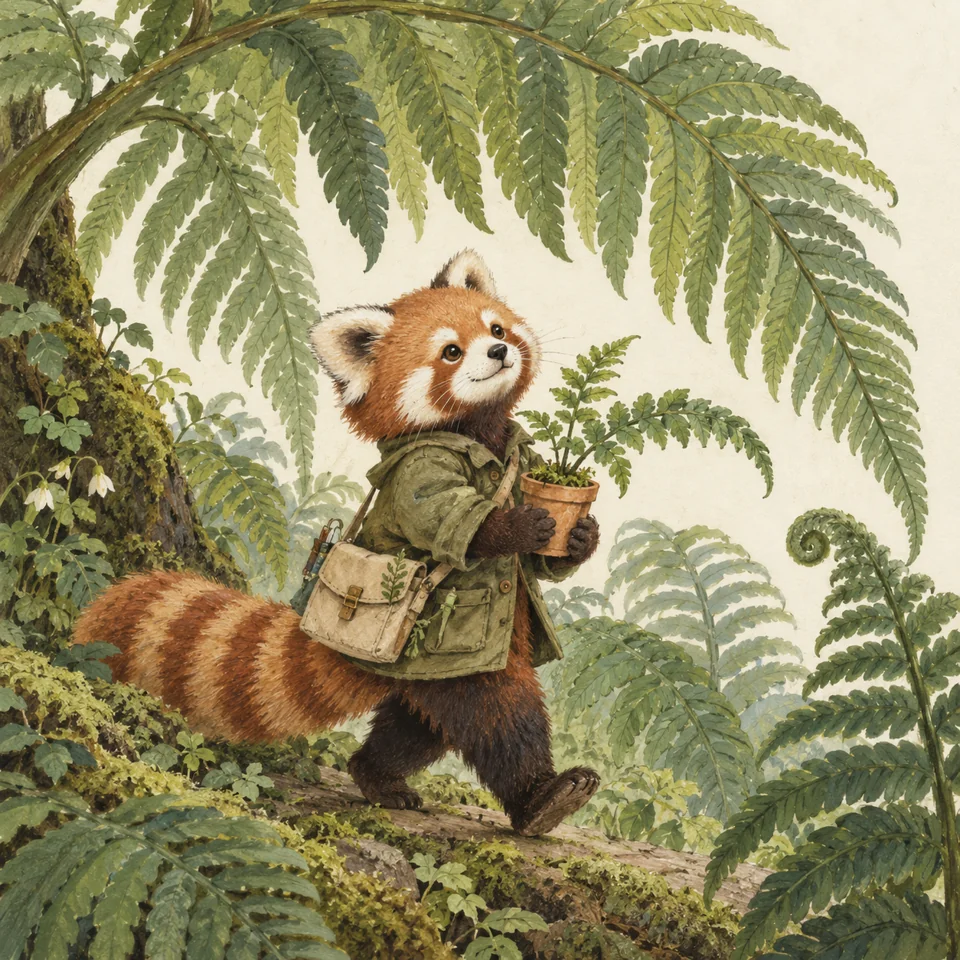
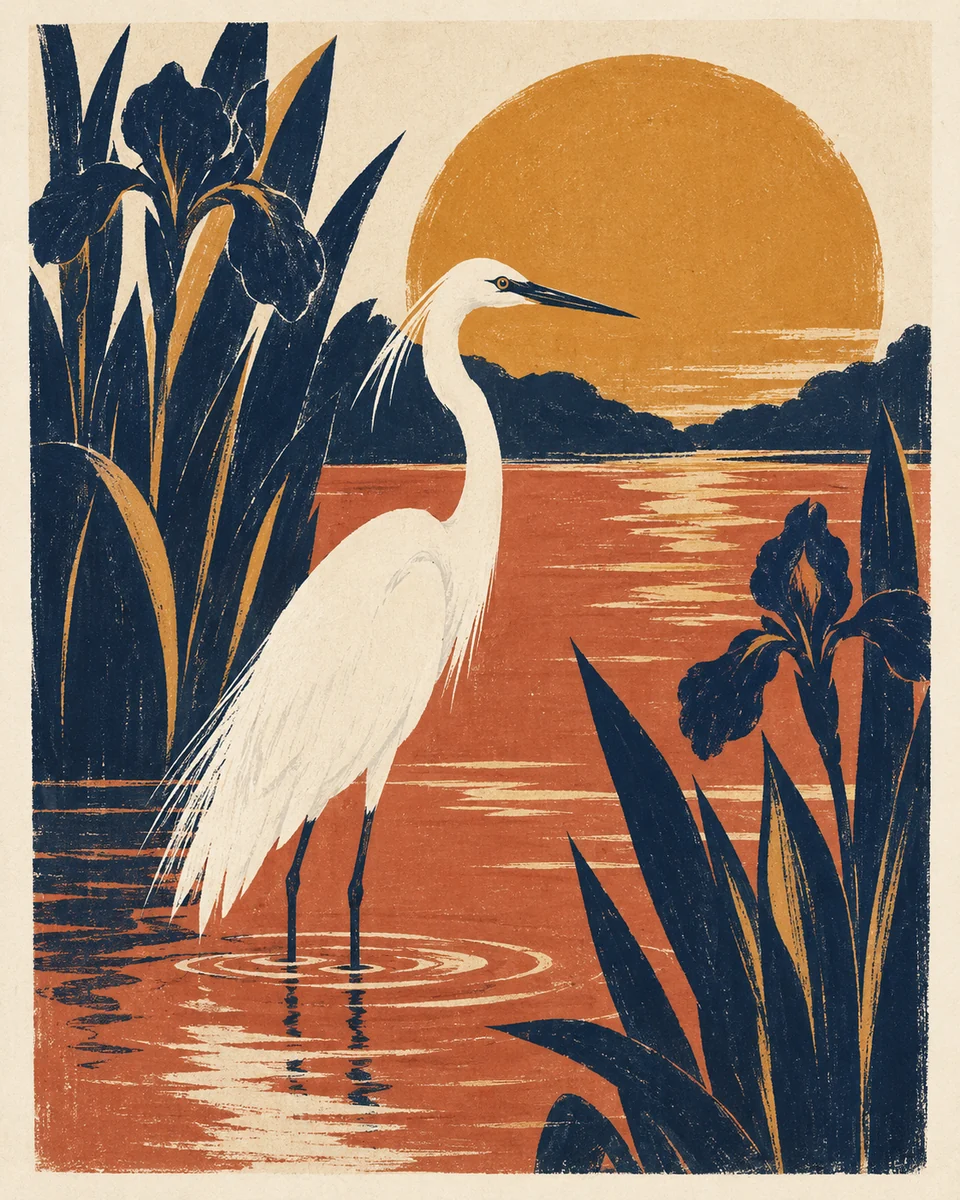
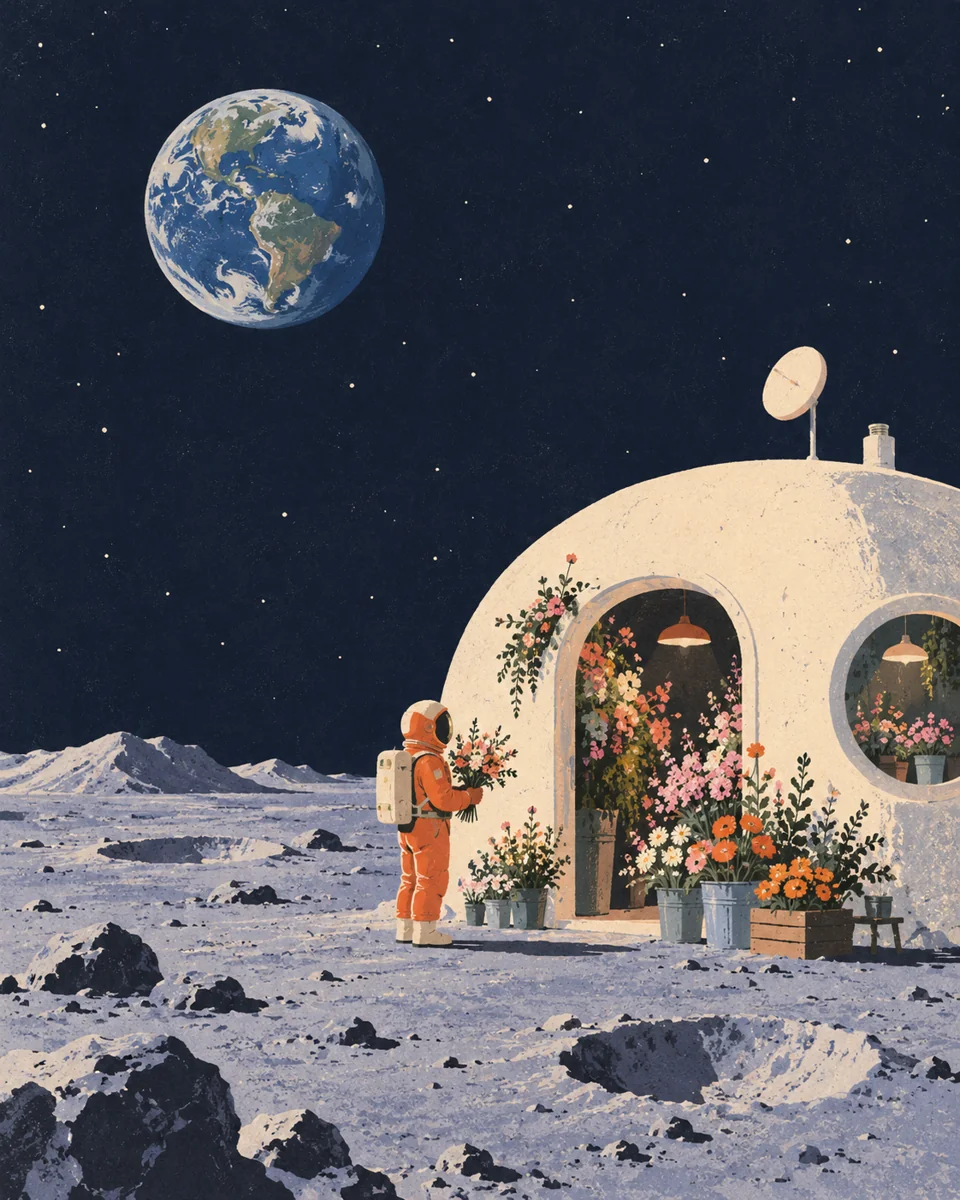
AI-generated examples of this visual direction. Your subject and prompt will also affect the result.
Your idea still matters
What to describe
with Illustration.
A Style guides the treatment of the image. Your prompt supplies the subject, setting, action, and the details that make it yours. Start with a sentence you can picture, then add what matters.
“A red panda botanist carrying a terracotta pot through a greenhouse, morning light.”
The character, prop, place, and light come from the prompt. Illustration gives those things a visual direction.
Describe the subject and its action first. A courier carrying a parcel says more than a character alone.
Name the setting and the details that make the idea recognizable: clothing, a prop, or a small interaction.
Describe the palette or drawing treatment when it matters. You can ask for pencil edges, painted shapes, or a restrained set of colors.
Compare visual treatments
Which look supports
your idea?
Illustration This page
Expressive shapes and color. A drawn treatment for visual stories.
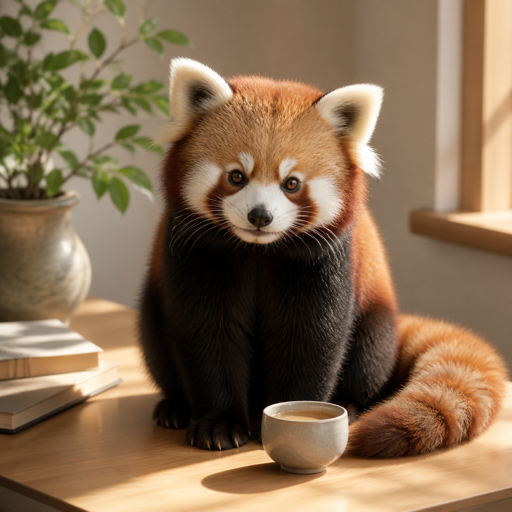
Photorealistic
Natural surface detail. Light and depth that feel photographic.
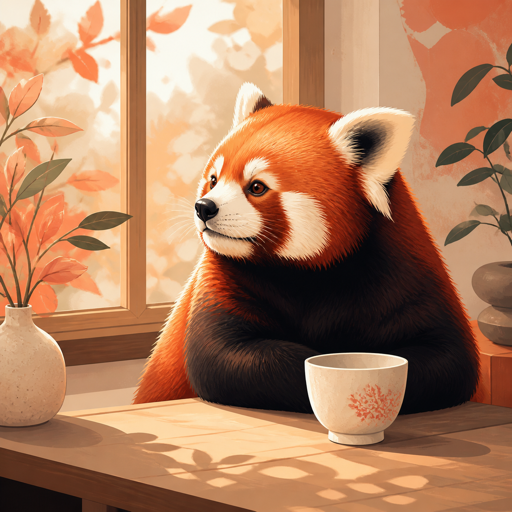
Explore PhotorealisticThese red panda examples share a subject, but pose, composition, and light also differ. Use them to compare visual direction, rather than as a controlled test of Style settings.
How do you want
to begin?
You can make a new image from an idea, or take an existing image in another direction. The first result is a starting point you can keep exploring.
Signed-in results are saved as Creations you can reopen and continue. Guest work stays in this browser. Keep a useful result, try a variation or another transformation, and download when you are ready to use it.
Prefer to describe your own look? Create without a Style →